Expense Reimbursement Process
The expense reimbursement process is a vital part of managing finances in any organization. It ensures that employees are compensated for out-of-pocket expenses incurred while conducting business. This can include travel costs, meals, or supplies needed for work. Understanding this process helps both employees and employers streamline reimbursements effectively.
Typically, the process begins when an employee spends their own money for business-related purposes. Once they've accumulated enough expenses, they will submit a reimbursement request. This is not just a simple task; many companies have set guidelines to follow, ensuring that reimbursements are fair and justified.
Steps in the Reimbursement Process
The reimbursement process can sometimes seem overwhelming, but breaking it down into clear steps can help. Here are the key steps involved:
- Collect Receipts: Employees should gather all relevant receipts and documentation for expenses incurred.
- Fill Out Forms: Most companies require employees to fill out an expense report detailing each expense.
- Submit for Approval: The completed report is then submitted to a supervisor or finance department for approval.
- Receive Reimbursement: Once approved, the reimbursement is processed and paid out to the employee.
Following these steps ensures that the process runs smoothly and efficiently. It can also help employees feel confident that they will get reimbursed quickly for their expenses.
Common Expenses Covered
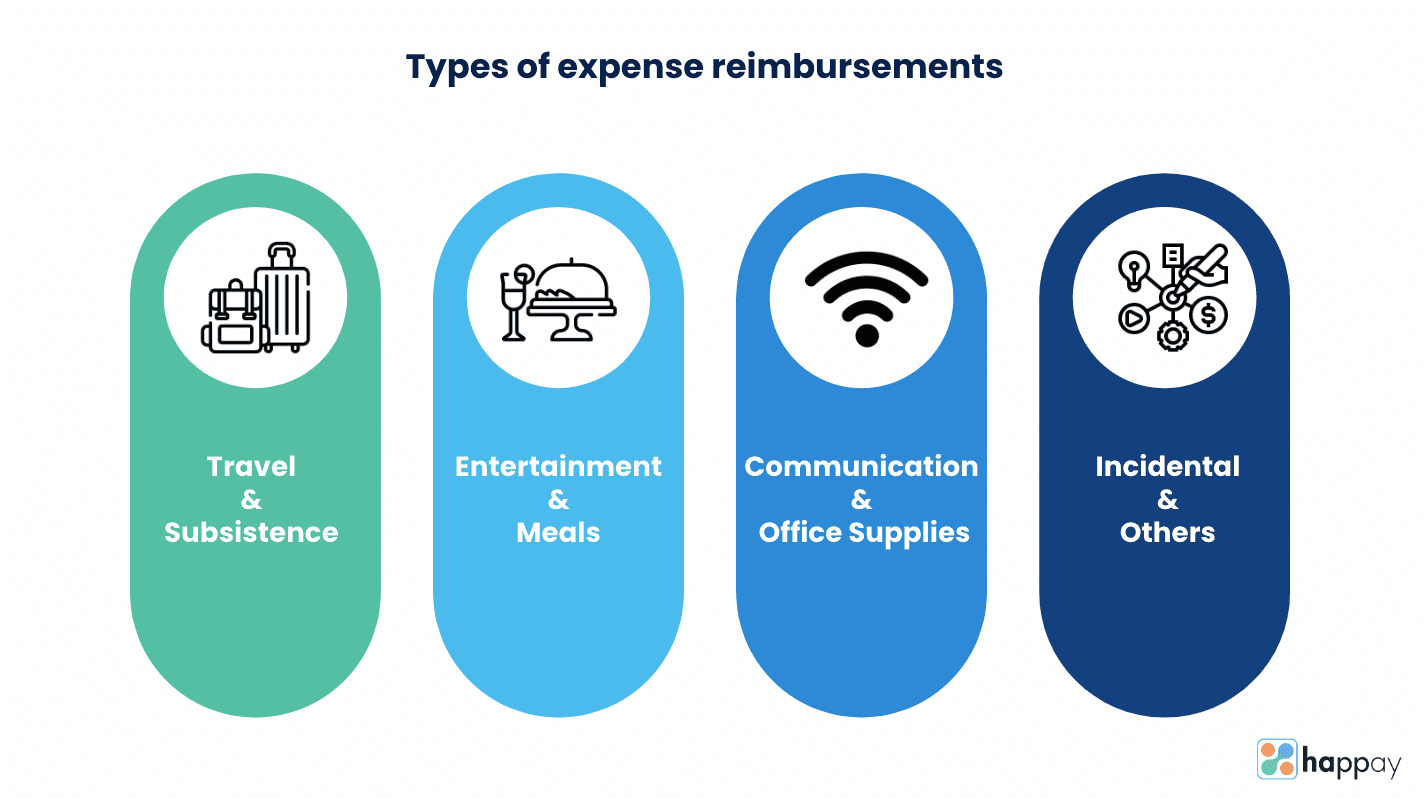
Not all expenses are eligible for reimbursement, and it’s important for employees to know what can be covered. Commonly reimbursable expenses include:
- Travel Costs: This includes airfare, hotel stays, and transportation like taxis or rental cars.
- Meals: Business meals can be reimbursed, but often there are limits on the amount.
- Supplies: Items that are necessary for work, like office supplies or equipment, are usually covered.
Each company may have its own specific guidelines, so employees should always check the policy before incurring expenses. Knowing what’s covered helps avoid any confusion later on!
Documentation Requirements
When submitting for reimbursement, having the right documentation is crucial. Here are essential documents that are often required:
- Detailed receipts showing the amount spent, date, and purpose of the expense.
- Credit card statements if receipts are lost, but these may not always be accepted.
- A completed expense report form that summarizes all expenses.
Providing clear and complete documentation not only speeds up the reimbursement process but also helps in maintaining transparency and accountability.
Tips for a Smooth Process
To help make the expense reimbursement process as smooth as possible, here are a few tips. First, always keep your receipts organized. You might even use envelopes or folders specifically for business expenses so you won’t scramble later.
Second, familiarize yourself with your company’s reimbursement policy. Knowing the limits and what’s eligible can save everyone time and effort. You can find detailed guidance on building an efficient system at https://bookkeepnest.com/blog/accounting-tips/efficient-bookkeeping-for-north-richland-investors.html. Lastly, don’t hesitate to ask your HR or finance department if you have questions about specific expenses or the reimbursement timeline.
Handling Discrepancies
Sometimes, there may be discrepancies in reimbursements, like if an expense is denied or there’s a delay. In such cases, it’s important to communicate promptly. A quick conversation with your supervisor or the finance team can often resolve the issue.
Additionally, keeping detailed records and notes can help if you need to follow up on a reimbursement. It’s always better to address concerns early on rather than waiting until the end of the month!
Conclusion
The expense reimbursement process is essential for ensuring that employees are fairly compensated for their business-related expenses. By following the outlined steps, understanding what can be reimbursed, and maintaining proper documentation, employees can navigate this process with ease.
With just a bit of organization and knowledge, anyone can ensure they receive their rightful reimbursements promptly. Happy reimbursing!
Frequently Asked Questions (FAQs)
- What is the expense reimbursement process?
The expense reimbursement process ensures that employees are compensated for out-of-pocket expenses incurred while conducting business, such as travel costs, meals, or supplies.
- What steps are involved in the reimbursement process?
The key steps include collecting receipts, filling out forms, submitting for approval, and receiving reimbursement.
- What types of expenses are commonly reimbursable?
Common reimbursable expenses include travel costs (airfare, hotel stays), meals (with potential limits), and necessary work supplies (office supplies or equipment).
- What documentation is required for reimbursement?
Essential documents include detailed receipts showing the amount spent, credit card statements if receipts are lost, and a completed expense report form.
- How can I ensure a smooth reimbursement process?
Keep receipts organized, familiarize yourself with your company’s reimbursement policy, and communicate with HR or finance if you have questions.
- What should I do if there are discrepancies in my reimbursement?
Communicate promptly with your supervisor or finance team to resolve issues and keep detailed records to assist in following up.
Follow Us
Tumblr
|
Overblog
|
Twitter
|
Gravatar
|
Disqus
|
Google Sites
|
Youtube
|
About.me
Comments
Post a Comment